Water Solutions: Harnessing Solar Power for Sustainable Water Management

Introduction: Access to clean, reliable water is essential for life, agriculture, and economic development. In many regions, water scarcity and unreliable access to electricity present significant challenges. However, with the advancement of solar technology, innovative solutions have emerged to address these issues. In this guide, we’ll explore pressure pumps and storage solutions powered by solar energy, enabling sustainable water management in off-grid and remote areas.
  • Solar Bore Pumps: Bore pumps are used to extract water from underground aquifers for various purposes, including irrigation, livestock watering, and domestic water supply. Traditional bore pumps rely on grid electricity or diesel generators, making them costly to operate and environmentally unsustainable. Solar bore pumps offer a cleaner, more cost-effective alternative by harnessing the power of the sun to pump water without the need for grid connection or fuel.
  • How Solar Bore Pumps Work: Solar bore pumps consist of solar panels, a pump controller, and a submersible pump installed in the borehole. Solar panels capture sunlight and convert it into electricity, which powers the pump controller and drives the submersible pump to lift water to the surface. These systems can operate autonomously, providing a reliable source of water even in remote or off-grid locations.
  • Benefits of Solar Bore Pumps:
    • Cost-Effective: Solar bore pumps eliminate ongoing fuel and electricity costs, making them a cost-effective solution for long-term water supply needs.
    • Environmentally Friendly: Solar power is a clean, renewable energy source that produces zero emissions, reducing environmental impact and carbon footprint.
    • Reliable Water Supply: Solar bore pumps operate independently of the grid, providing a reliable source of water even during power outages or fuel shortages.
    • Low Maintenance: Solar bore pumps have fewer moving parts and require minimal maintenance compared to traditional pumps, resulting in lower operating costs and downtime.
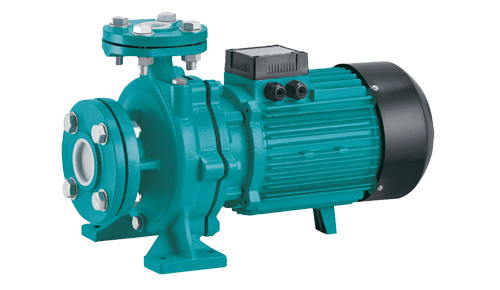
  • Pressure Pumps: Pressure pumps are used to boost water pressure in residential, commercial, and agricultural water systems, ensuring adequate water flow for irrigation, firefighting, and household use. Solar pressure pumps utilize solar power to maintain constant water pressure without relying on grid electricity or diesel generators, making them ideal for remote or off-grid applications.
  • How Pressure Pumps Work: Pressure pumps consist of a pump, pressure tank, and controller. These pumps draw water from a water source and pressurize it for distribution to various points of use. Solar pressure pumps utilize solar energy to power the pump and maintain desired water pressure in the system.
  • Benefits of Pressure Pumps:
    • Energy Efficient: Pressure pumps use variable speed drives to match pump output to water demand, minimizing energy consumption and reducing operating costs.
    • Quiet and Reliable: Pressure pumps are typically quieter and more reliable than traditional pumps, with fewer mechanical components and no reliance on grid power or fuel
    • Scalable and Modular: Pressure pump systems can be customized to suit specific water pressure requirements and expanded as needed by adding additional pumps
    • Remote Monitoring: Some pressure pumps feature remote monitoring and control capabilities, allowing users to monitor pump performance, adjust settings, and receive alerts remotely via smartphone or computer
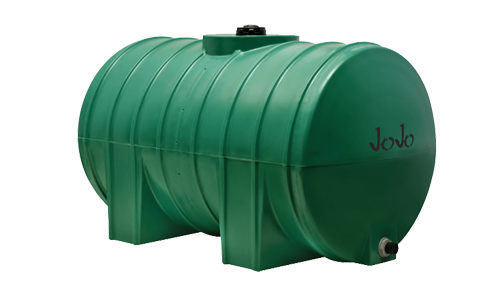
  • Storage Solutions: Water storage is essential for capturing, storing, and distributing water for domestic, agricultural, and industrial use. Solar storage solutions utilize solar energy to pump water from a water source, such as a borehole or well, into storage tanks or reservoirs for later use. These systems can be integrated with pressure pumps to provide a complete off-grid water supply solution.
  • Types of Storage Solutions: Water storage solutions come in various configurations, including above-ground tanks, underground cisterns, and lined reservoirs. These systems can store water for irrigation, livestock watering, firefighting, and household use, providing a reliable water supply year-round.
  • Benefits of Storage Solutions:
    • Water Security: Storage solutions provide a dependable source of water for drinking, sanitation, and agricultural production, reducing reliance on unreliable water sources or infrastructure.
    • Disaster Preparedness: Storage solutions can provide emergency water supply during droughts, natural disasters, or other disruptions to conventional water sources.
    • Sustainable Agriculture: Storage solutions enable farmers to irrigate crops and water livestock using renewable energy, reducing operational costs and environmental impact.
    • Community Development: Storage solutions can improve access to clean water in rural and underserved communities, promoting economic development and improving quality of life.

Conclusion: Pressure pumps and storage solutions powered by solar energy offer a sustainable and cost-effective alternative to conventional water pumping and storage methods, enabling off-grid and remote communities to access clean, reliable water for drinking, irrigation, and other essential needs. Whether you’re a homeowner, farmer, or community leader, investing in pressure pumps and storage solutions can provide long-term water security, resilience, and sustainability in an increasingly uncertain world.
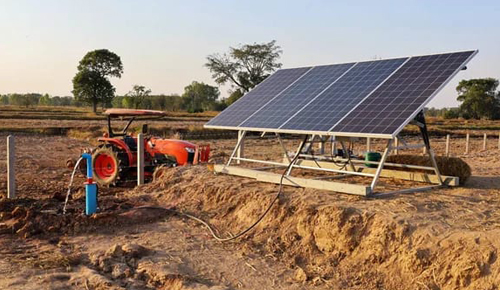
Water Pump

Solar Borehole pumps

Water Backup Solutions

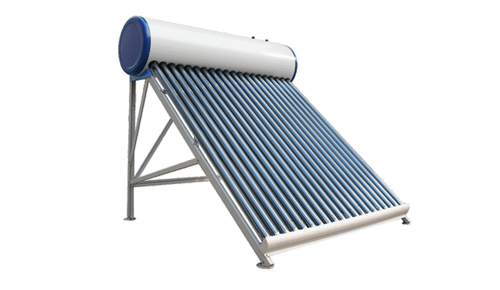
Solar Geysers